Source Eco Friendly Lidded Perfume Bottle for Cosmetics
Find 30 eco friendly lidded perfume bottle options for cosmetics, hand sanitizer, and liquid storage. Compare glass materials, screw cap and spray pump closures, and custom printing handling to select the right packaging for your brand; compare the available evidence and request quotations based on your requirements.
Key considerations
Products List






Comprehensive Sourcing Guide
Eco Friendly Lidded Perfume Bottle Sourcing Guide
Procuring eco-friendly lidded perfume bottles requires balancing material sustainability with functional integrity for volatile liquids. The observed market data indicates a strong presence of glass vessels, which offer superior chemical resistance and recyclability compared to plastic alternatives. Buyers must verify that the "glass" material designation applies to the primary container, as some listings pair glass bodies with plastic collars or closures. This distinction is critical because the environmental impact of the entire assembly depends on the separability of these components for recycling streams.
Sourcing strategies should prioritize suppliers who explicitly list customization options for glass bottles, allowing for tailored branding without compromising the vessel's structural integrity. The available data confirms that customization is a standard offering, enabling brands to apply specific printing techniques like frosting or hot stamping directly onto the glass surface. However, buyers must ensure that these decorative processes do not introduce non-recyclable contaminants that would hinder the end-of-life processing of the bottle.
Product Scope and Observed Listing Signals
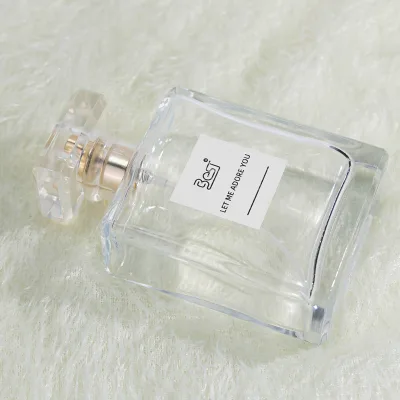
The current market landscape for lidded perfume bottles reveals a diverse range of capacities, with specific listings highlighting 30 ml, 50 ml, and 100 ml models as standard configurations. These volume specifications cater to various market segments, from travel-sized samples to full-size retail units. The observed product models also include irregular shapes and specific dimensions, suggesting that suppliers offer unique silhouettes to differentiate brand identity. Buyers should carefully cross-reference these shape descriptions with their packaging design requirements to ensure compatibility with existing retail displays.
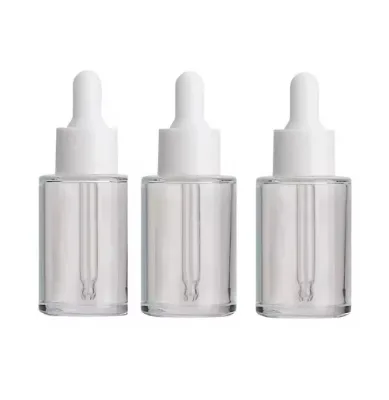
Listing signals further indicate that closure types vary significantly between screw caps and spray pumps, each serving distinct application needs. While screw caps are common for dropper bottles, spray pumps are essential for fine mist applications in perfumery. The data also notes the availability of corrugated brown cartons and palletized packing, which are vital for logistics efficiency. Procurement teams must verify that the selected closure type aligns with the intended usage, such as whether the bottle is designed for direct application or for dispensing via a pump mechanism.
Technical Specifications to Verify
Technical verification must begin with the precise material composition of the bottle and its associated components. While the primary vessel is identified as glass, the collar material is frequently listed as plastic, creating a composite structure that requires specific handling during recycling. Buyers should request detailed material breakdowns to confirm the type of plastic used in the collar and closure, ensuring it does not contain hazardous additives that could leach into the perfume. This granular understanding is necessary to maintain the "eco-friendly" claim throughout the product lifecycle.
Printing and surface treatment specifications also demand rigorous scrutiny to ensure they meet sustainability goals. The observed data lists frosting, hot stamping, and screen printing as available handling methods, but the environmental impact of these processes varies. Buyers must confirm that the inks and adhesives used for hot stamping are water-based or otherwise compliant with eco-standards. Additionally, verifying the standard dimensions, such as the 11.57.53.6cm specification found in some listings, ensures that the bottles fit within the intended packaging and shipping constraints without unnecessary void space.
Compliance and Safety Documentation
Compliance documentation for glass perfume bottles must address both the safety of the container and the environmental claims made by the supplier. Although specific certification statuses like ISO 14001 appear in background data, buyers should not assume these are active for every listed product without direct verification. Instead, procurement teams must request current test reports that validate the chemical inertness of the glass and the stability of the printed surfaces against the specific solvents found in perfumes. This due diligence prevents potential product failures or regulatory issues in the destination market.
Safety documentation should also cover the integrity of the sealing mechanisms, particularly for bottles intended for volatile liquids. The observed listings mention dropper sealing types and spray pumps, both of which require leak-proof performance to prevent product loss and potential safety hazards. Buyers must ensure that the supplier provides evidence of leak testing for the specific closure model selected. Furthermore, any claims regarding the recyclability of the bottle must be backed by clear instructions on how to separate the glass from the plastic components, ensuring that the end-user can properly dispose of the materials.
Cost Drivers and Commercial Terms
Cost drivers in the eco-friendly lidded perfume bottle market are heavily influenced by the customization level and the volume of the order. The observed MOQ range spans from 2 to 50,000 pieces, indicating that suppliers cater to both small startups and large manufacturers. However, the specific listing data notes an MOQ of 10,000 pieces for certain models, which suggests that lower quantities may incur higher unit costs or require special production runs. Buyers should negotiate based on their projected volume to secure the most favorable pricing structure while maintaining the desired customization features.
Commercial terms must also account for the complexity of the supply chain, particularly regarding the origin of the materials. The data indicates production origins in various Chinese provinces, including Liaoning, Shandong, and Yuyao, each potentially offering different logistical advantages. Buyers should evaluate the lead times associated with these locations and factor them into their inventory planning. Additionally, the availability of free samples, as noted in some listings, provides an opportunity to validate quality before committing to a large order, reducing the financial risk associated with initial procurement.
Supplier Qualification and Quality Control
Supplier qualification should focus on the manufacturer's ability to maintain consistent quality across different production batches. The observed data highlights that customization is available, but the consistency of printing techniques like frosting and hot stamping can vary between suppliers. Buyers must implement a rigorous quality control protocol that includes visual inspections of the printed surfaces and functional tests of the closures. This ensures that the aesthetic and functional standards are met consistently, preventing customer dissatisfaction and returns.
Quality control processes must also verify the structural integrity of the glass bottles, especially given the fragility of the material. Suppliers should provide evidence of drop testing and pressure testing to ensure the bottles can withstand shipping and handling without breaking. The presence of specific model numbers and standard dimensions in the listings suggests a level of standardization that can be leveraged for quality assurance. Buyers should request these test results as part of their supplier evaluation to confirm that the products meet the necessary durability requirements for the perfume industry.
Long-Term Procurement Checks
Long-term procurement checks should prioritize the supplier's ability to scale production while maintaining environmental standards. As demand for eco-friendly packaging grows, suppliers must demonstrate their capacity to increase output without compromising the quality of the glass or the sustainability of the printing processes. Buyers should establish regular review cycles to assess the supplier's adherence to agreed-upon specifications and their ability to adapt to changing market demands. This proactive approach ensures a stable supply chain that can support the brand's growth over time.
Continuous monitoring of the supply chain is also essential to verify that the "eco-friendly" attributes of the bottles remain valid. Buyers should periodically re-evaluate the material composition and recycling instructions to ensure they align with evolving environmental regulations and consumer expectations. The observed data suggests that some bottles are refillable, a feature that adds significant value to the product's lifecycle. Maintaining a dialogue with the supplier about future innovations in sustainable materials and manufacturing techniques will help the brand stay ahead of industry trends and maintain its competitive edge.
FAQs
What materials are used for eco friendly lidded perfume bottles?
These bottles are primarily made from glass, offering a sustainable and recyclable packaging solution. The lids or collars often incorporate plastic components to ensure a secure seal. This combination provides durability while maintaining an eco-conscious profile suitable for various cosmetic and fragrance applications.
Can I customize the printing on these glass bottles?
Yes, customization is available for printing handling. Suppliers offer options such as frosting, hot stamping, and standard printing techniques. This allows brands to apply unique logos or designs directly onto the transparent glass surface, enhancing visual appeal and brand identity for retail display.
What sizes are available for these lidded perfume bottles?
Standard specifications include 30 ML, 50 ML, and 100 ML capacities. Some listings also mention 20 ML options. These sizes cater to different product volumes, allowing buyers to select the appropriate container size for their specific perfume, cosmetic, or liquid product requirements.
Which closure types are offered for these bottles?
The bottles feature various closure types including screw caps, spray pumps, and dropper seals. Each closure type serves a specific dispensing need, whether for fine mists, controlled drops, or secure storage. Buyers can choose the mechanism that best fits their product's viscosity and usage pattern.
What is the typical MOQ for these glass bottles?
The minimum order quantity ranges from 2 to 50,000 pieces depending on the supplier and customization level. Some specific models may require higher MOQs like 10,000 pieces. Buyers should verify the exact MOQ with the supplier to ensure it aligns with their production volume and budget constraints.
Are these bottles suitable for industrial cosmetic use?
Yes, these bottles are explicitly designed for industrial cosmetic use. They are suitable for packaging perfumes, hand sanitizers, and other liquids. The robust glass construction and secure closures ensure product integrity, making them a reliable choice for commercial cosmetic manufacturing and distribution channels.